

News
by Berit Krondorf (comments: 0)
First Paludi-Summer School
Peat under their fingernails, fresh ideas in their minds
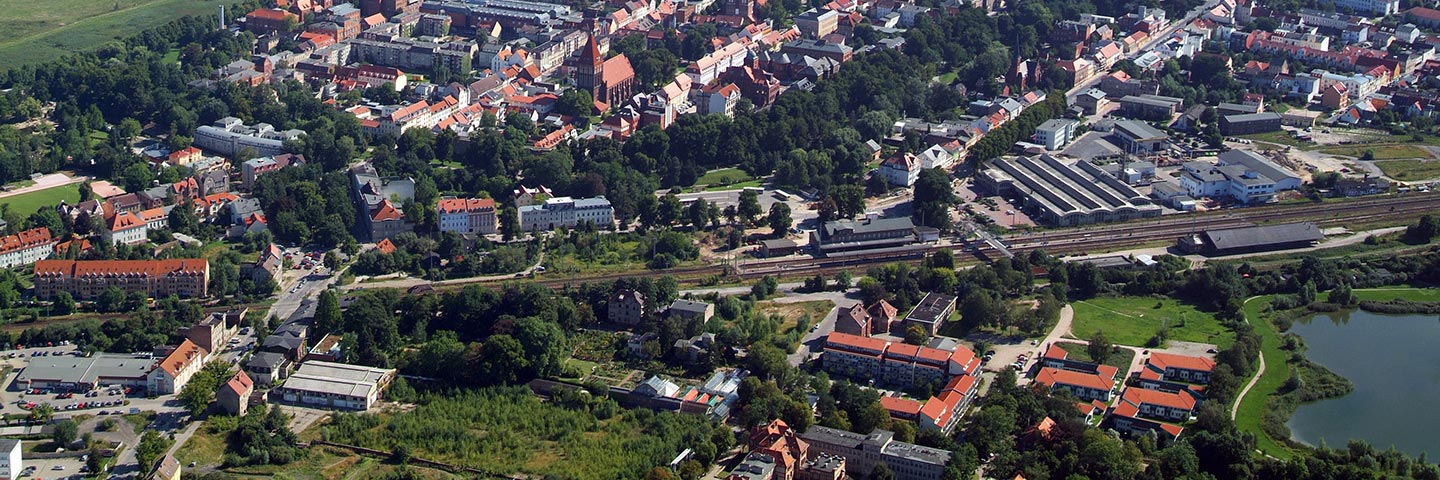
29/06/2026 For ten days in June, twenty early-career scientists from Germany, the Netherlands, and Switzerland, many from PaludiNet projects, came together for the first Paludiculture Summer School, hosted by the PaludiCentral project, a collaboration between the Thünen Institute and University of Greifswald and Michael Succow Foundation, both partners in the Greifswald Mire Centre.
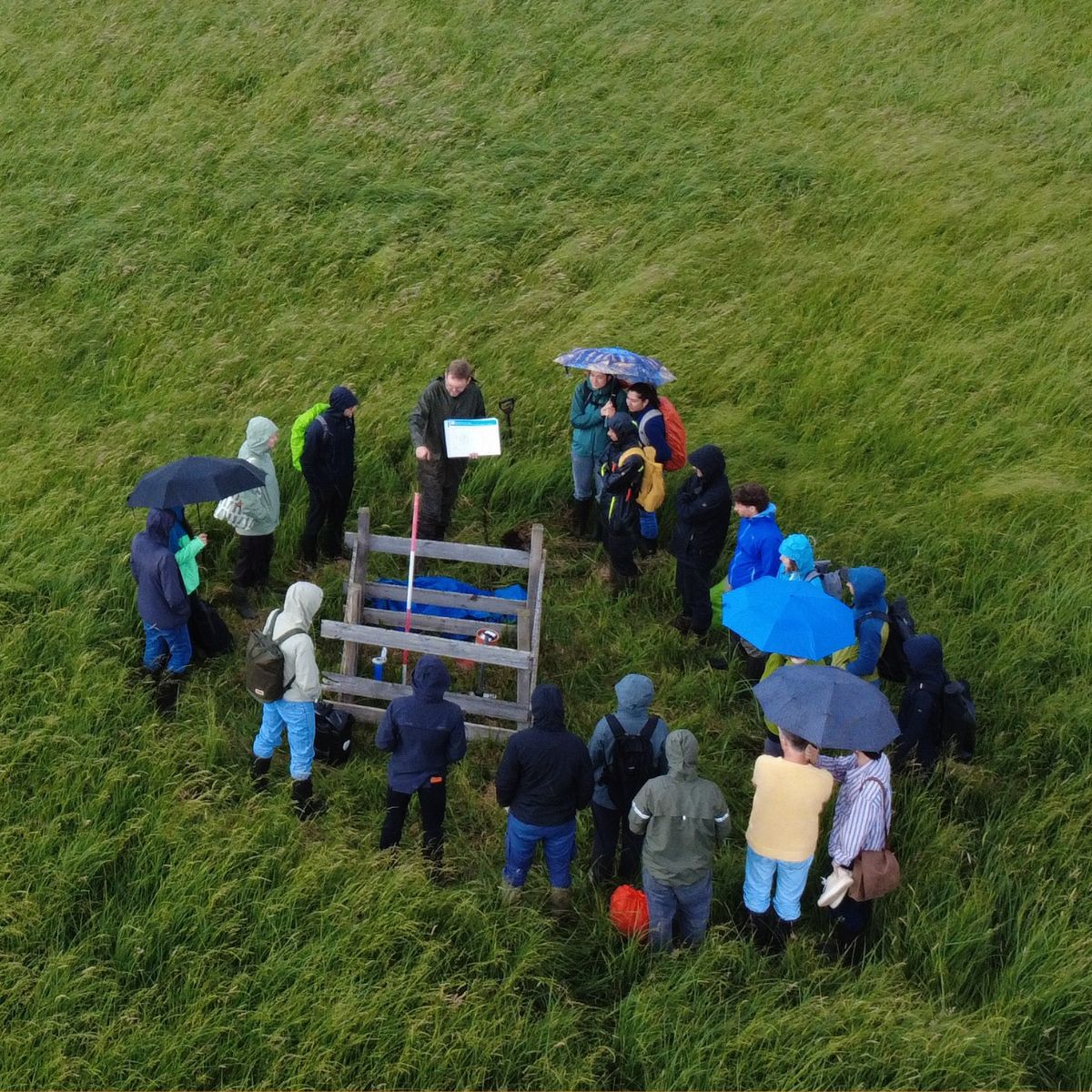
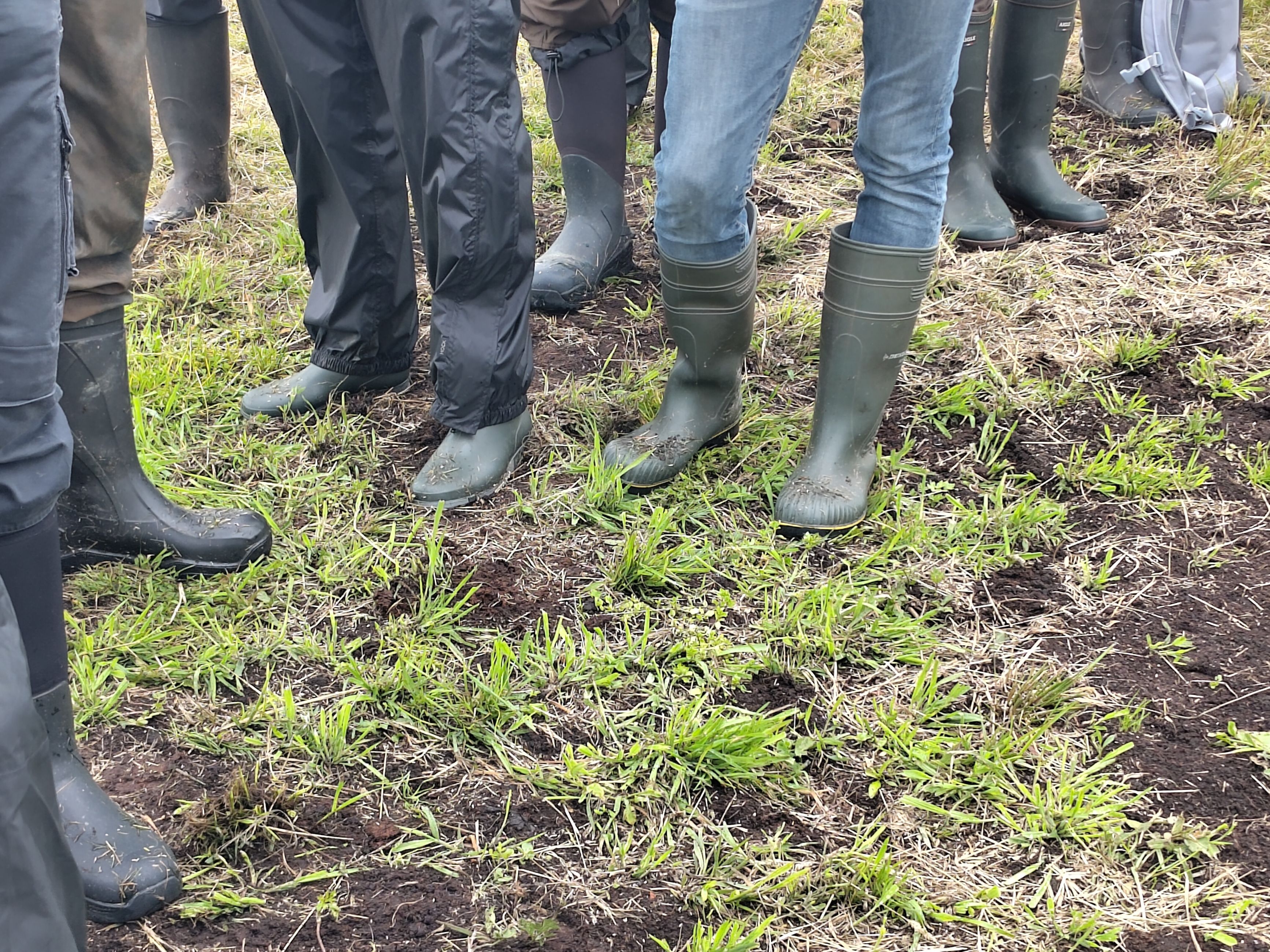
Beginning in Braunschweig and concluding in Greifswald, the summer school offered a diverse programme covering a spectrum of paludiculture related topics. Participants explored the fundamentals of organic soils, peatland hydrology, biodiversity, greenhouse gas measurements, and the socioeconomic and technical dimensions of paludiculture. Theoretical sessions were complemented by lab visits and field excursions, providing opportunities to deepen one’s own understanding and to put knowledge into practice. Furthermore, the poster session facilitated an in-depth exchange not only amongst the participants, but also with researchers from the Thünen Institute who were taking part in the presentation (link to interviews). Participants left the summer school with peat-stained fingers and with new questions on the placement of Eddy covariance towers and challenges involved in measuring hydraulic conductivity.
The excursions provided the opportunity to visit a range of sites within the PaludiNet network. Highlights included the MOOSland site and witnessing a sphagnum harvest; the RoNNi project, where preparations for Typha planting were underway; the reed plantation of the PaludiMV project; an established Typha cultivation site in Neukalen; several MoMoK (Peatland monitoring program for climate protection) sites; and, finally, a near-natural fen in the Peene Valley, a potential future habitat for aquatic warbler translocation efforts. These visits brought seminar room concepts to life and demonstrated the diversity of approaches currently being developed across the paludiculture landscape.
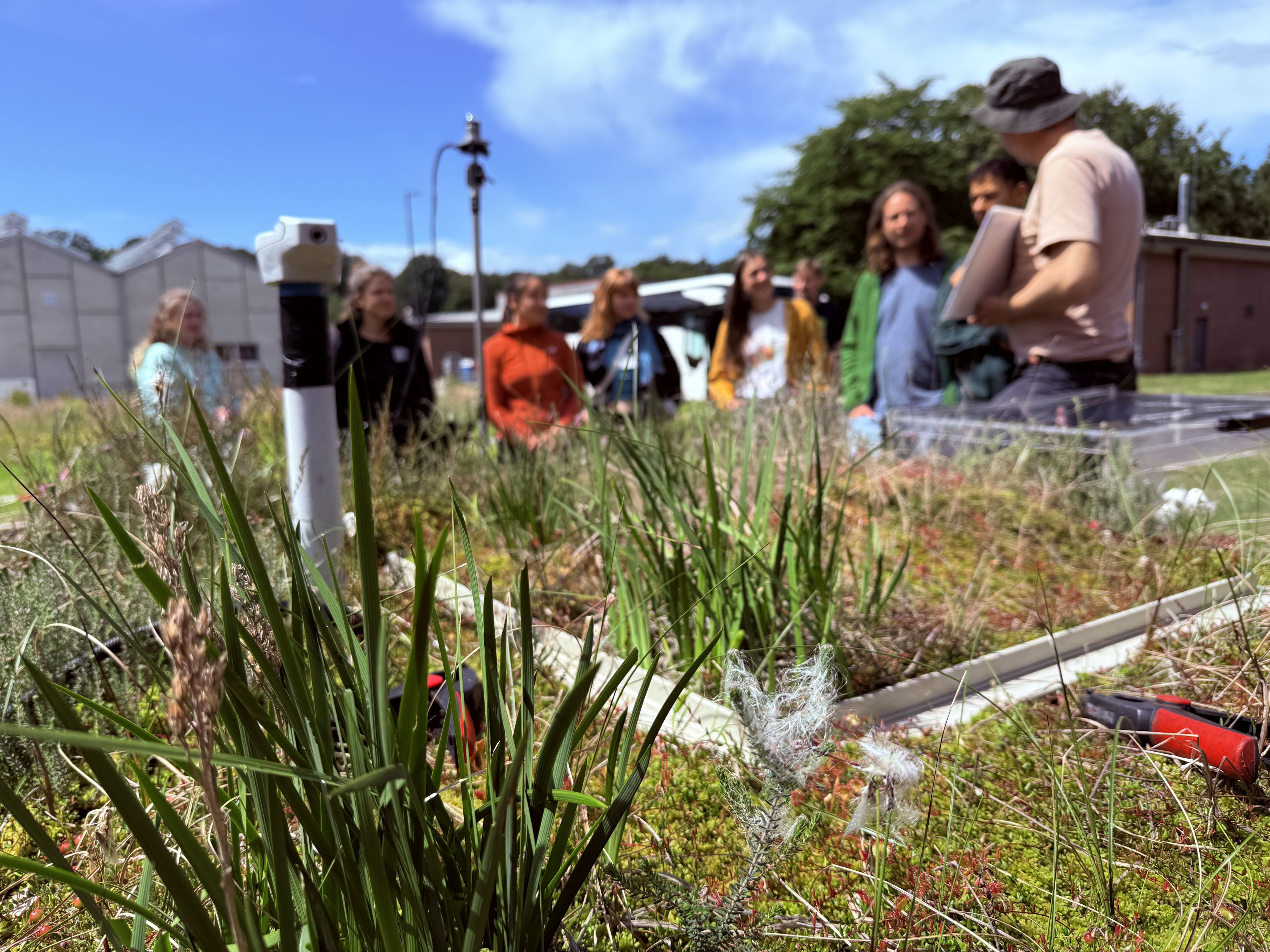
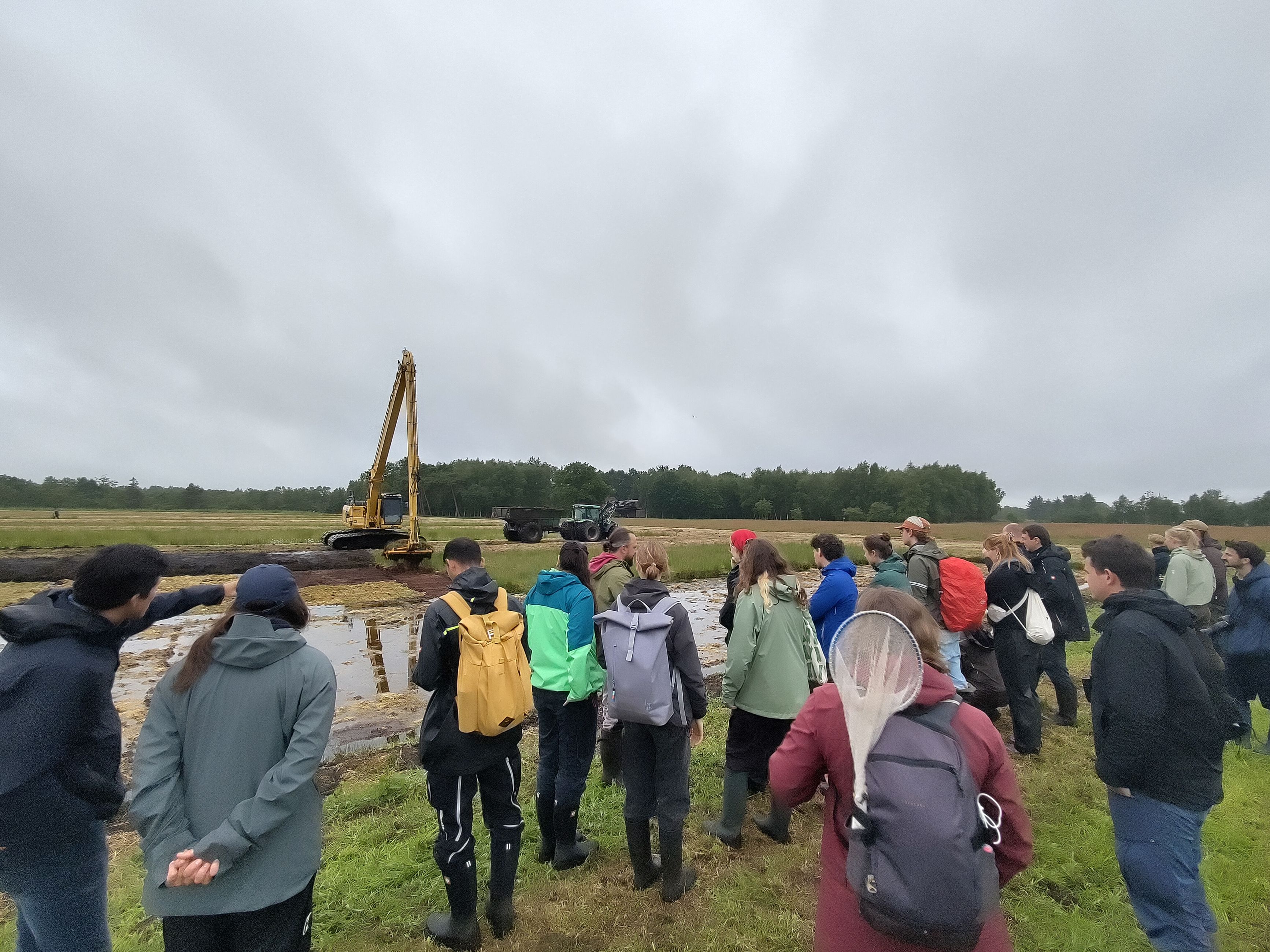
Learning was balanced with lively discussions, an interview, interactive games, role-playing exercises, and a visit to the peatland library. Participants were also given space to think creatively about the future of paludiculture and share their hopes, dreams, and visions for “Paludi Futures”. Ideas ranged from advances in paludi biomass value chains with magical sorting machines to large-scale immersive paludiculture parks, local infrastructure revolutions, and anchoring paludiculture in our social conscience with the paludi barbie in waders, and seeing peatland futures from the perspective of a dragonfly. In its own small way, the summer school became a first step toward these futures. By bringing together the expertise, curiosity and passion from different universities, organisations, and countries, it created new networks and inspired fresh ideas, questions, and collaborations. Friendships were formed, perspectives broadened, and a new generation of peatland professionals left with renewed motivation and optimism for the future development of paludiculture.